How to Improve Your Food Photography
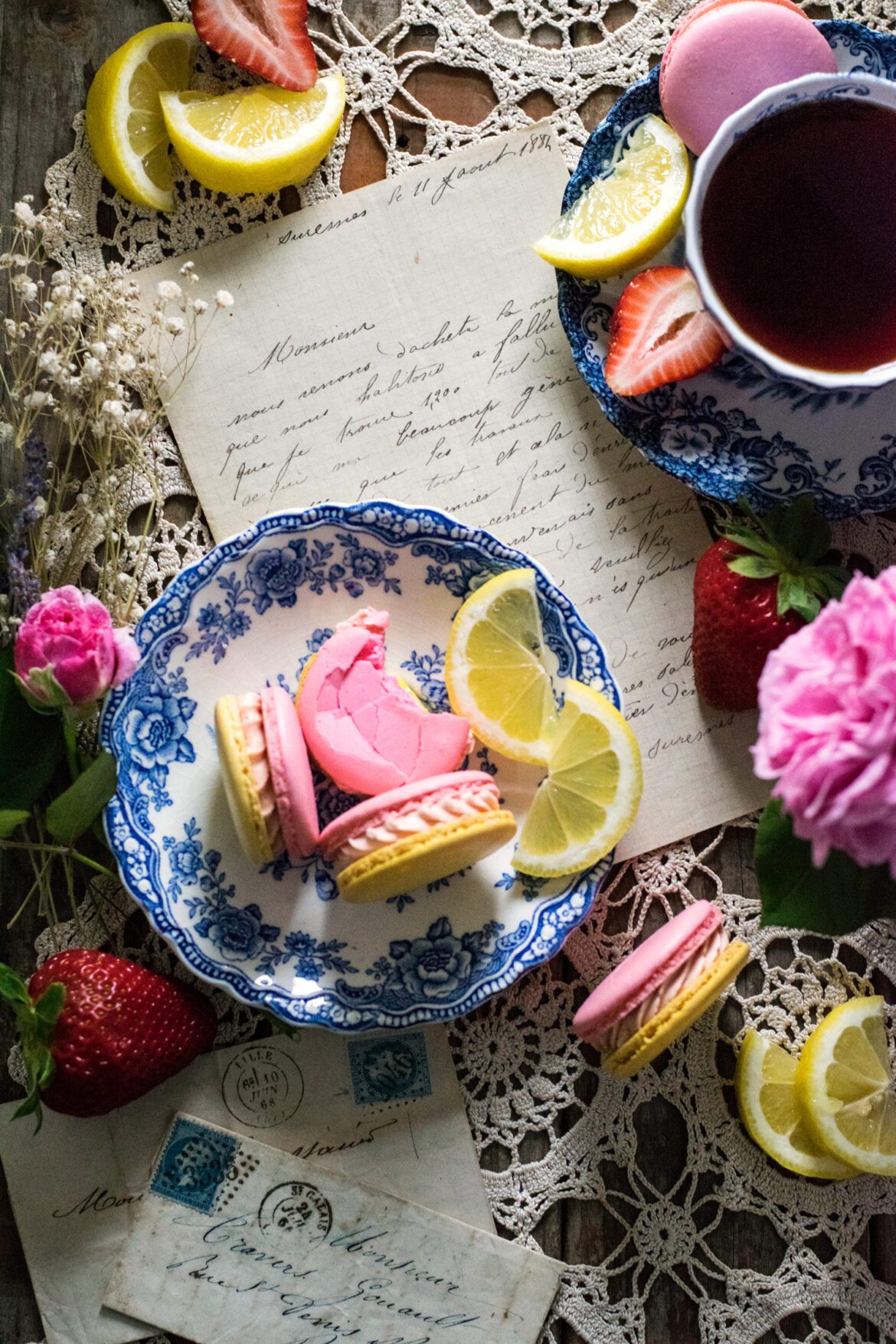
Food photography is one of those skills that looks deceptively simple. You point a camera at food. How hard can it be? Very hard, as it turns out. The difference between a photograph that makes you want to eat something and a photograph that makes you want to close the browser tab is enormous, and it comes down to a handful of principles that are easy to learn but take time to internalize.
The single most important thing in food photography is light. Natural light, specifically — the kind that comes through a window on a bright but overcast day, which gives you soft, even illumination without harsh shadows. Direct sunlight is your enemy. It creates hot spots and deep shadows that make food look flat and unappetizing. Move your setup to a north-facing window if you can, or shoot on a cloudy day.
The second most important thing is your angle. Most food looks best shot from directly overhead (the flat lay) or at a 45-degree angle. Straight-on shots work for some things — a tall layer cake, a stack of pancakes — but for most dishes, overhead or 45 degrees will serve you better. Experiment with both and see which feels right for what you're shooting.
Backgrounds matter more than most beginners realize. A beautiful dish on a cluttered, busy background is a wasted shot. Keep your backgrounds simple: a wooden board, a marble surface, a plain linen cloth. The food should be the star. Everything else is supporting cast.
Props can elevate a photograph enormously, but they can also overwhelm it. The rule I follow is: add one prop at a time, and only keep it if it makes the food look better. A linen napkin, a vintage spoon, a small bowl of an ingredient used in the dish — these things add context and warmth. A collection of random objects arranged around the food just creates noise.
Editing is the final step, and it is where many food photographers go wrong by overdoing it. A little brightness, a little contrast, a touch of warmth — that is usually all you need. If your photograph requires heavy editing to look good, the problem is in the shooting, not the editing. Go back and fix the light.
The most important thing, though, is to practice. Take photographs of everything you cook, even the failures. Look at the photographs you admire and try to figure out what makes them work. Your eye will develop faster than you think, and one day you will look at a photograph you took a year ago and be amazed at how much you have improved.
Disclosure: This post may contain affiliate links, which just means that we get a few pennies if you purchase through our link. I never recommend products that I don't personally use and love. Thanks!